Thinking about listing your Red Bank home and want it to truly stand out? You are not alone. Sellers here often ask what to fix, how much to stage, and what local rules they should handle before going live. In this guide, you will get a clear, step-by-step plan tailored to Red Bank that helps you prep with confidence, avoid surprises, and launch with strong marketing. Let’s dive in.
Red Bank market snapshot
Before you spend a dollar, anchor your plan to the market. Recent portal snapshots show Red Bank values clustering in the low to mid 300s. Zillow’s typical home value was near $300,000 as of December 2025, Realtor.com reported a median listing price around $350,000 in October 2025, and Redfin showed a recent median sale price in the high 300s with days on market ranging from about 38 to 68 days depending on the source and month. Always verify live comps in the MLS for your micro-neighborhood before you price.
Timing your launch
Spring is often a strong listing window in many markets, and an early fall window can also perform well in some years. The best timing depends on current inventory and buyer demand in Red Bank. Aim to have your home market-ready at the start of your preferred window, then confirm the exact week with fresh local data.
Legal and local requirements
Understand property taxes
Tennessee taxes residential property on 25 percent of its appraised value. The assessed value is then multiplied by the combined county and city tax rates to calculate the bill. You can review the assessment method in the state’s guidance from the Tennessee Comptroller.
How to check your numbers:
- Find your current bill and county rate on the Hamilton County Trustee page.
- Review Red Bank’s adopted municipal rate in the current city budget. Red Bank adjusted its rate during the recent reappraisal cycle, and local news covered changes in 2025 as well.
- Example calculation: If your home is appraised at $300,000, the assessed value is $75,000. Multiply the assessed value by the combined rate to estimate the annual bill. Use the actual rates from the county and city links above to plug in your figure.
Helpful links: read the Comptroller’s explanation of assessment and definitions, check your bill with the Hamilton County Trustee, and see Red Bank’s FY2026 budget for the adopted rate and context from the latest cycle.
- Tennessee assessment method: Tennessee Comptroller definitions and assessment ratios
- County bills and contacts: Hamilton County Trustee
- City budget and rate context: Red Bank FY2026 Approved Budget
- Local news on rate changes: Red Bank property tax update
Seller disclosure rules
Tennessee’s Residential Property Disclosure Act requires most sellers of 1 to 4 unit residential properties to provide the state disclosure form or use a permitted exemption. Complete it early in the marketing process so buyers can review it before writing. If you are unsure about an item, work with your agent and consider consulting a real estate attorney.
- Read the statute: Tennessee Residential Property Disclosure Act
Permits and past work
Unpermitted work can delay closings. If you are planning exterior updates, additions, or major mechanical changes, confirm whether a building, electrical, plumbing, or mechanical permit is required. If you did past projects, gather your permit records so buyers have confidence during due diligence.
- Check requirements or apply: City of Red Bank permits portal
Pre-listing prep that moves the needle
Declutter, clean, and paint
Start with the highest impact, lowest cost items. Declutter to open up rooms and storage. Clear counters, remove most personal photos, and reduce closet contents by about half. Deep clean everything and consider carpet cleaning. Fresh neutral paint in the living room, main bedroom, kitchen, and entry makes spaces feel newer and brighter. NAR research highlights decluttering, professional cleaning, minor repairs, and paint as frequent top recommendations that help homes show better.
- Evidence on staging and buyer impact: NAR report on staging and sale outcomes
Pre-listing inspection
A pre-listing inspection can reduce renegotiation risk and keep your deal moving. After you review the report, you can fix select items, disclose issues, or price accordingly. Many agents use pre-listing inspections to prevent canceled contracts tied to inspection surprises.
- Industry perspective: Agents turn to pre-listing inspections
Common trouble spots to check:
- Roof age and covering, guttering, and signs of leaks.
- HVAC service history and filter changes.
- Water intrusion or drainage grading along the foundation.
- Electrical panel updates and any outdated wiring.
- Plumbing leaks and water heater age.
- Visible foundation cracks or active moisture in crawl spaces.
- Termite or pest history and treatment records.
Be transparent. Modest preemptive repairs often cost less than concessions later.
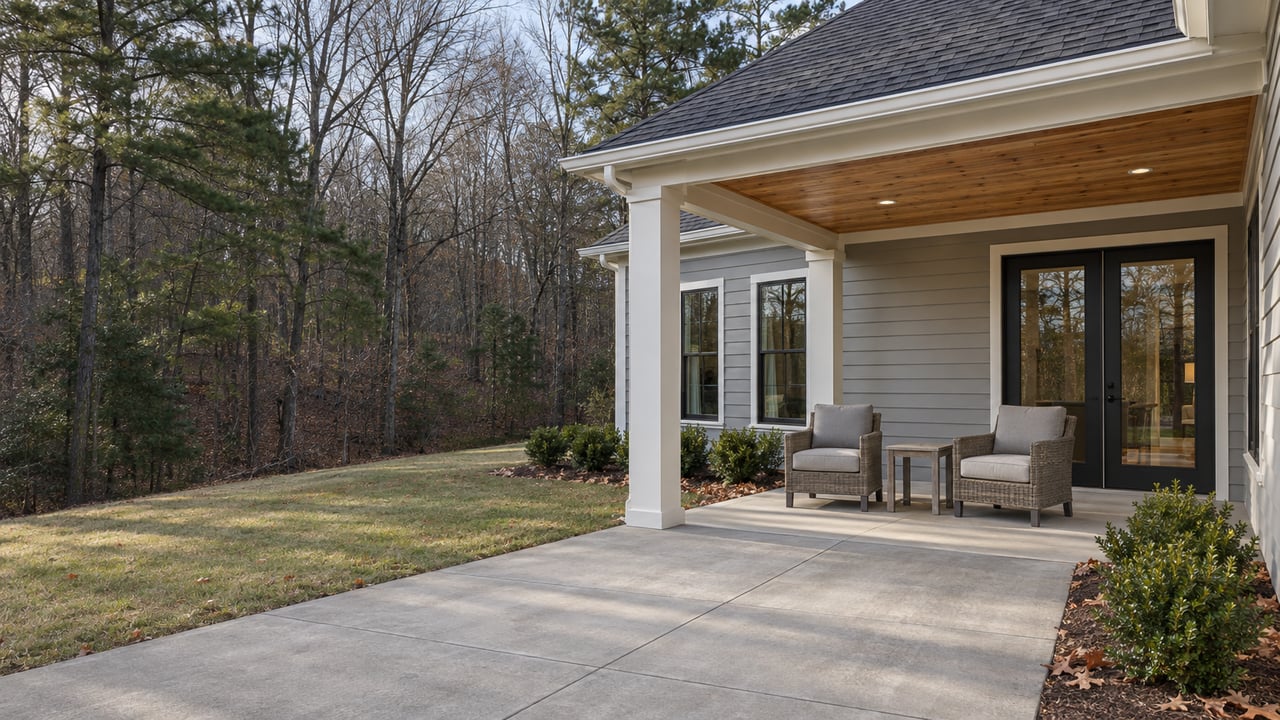
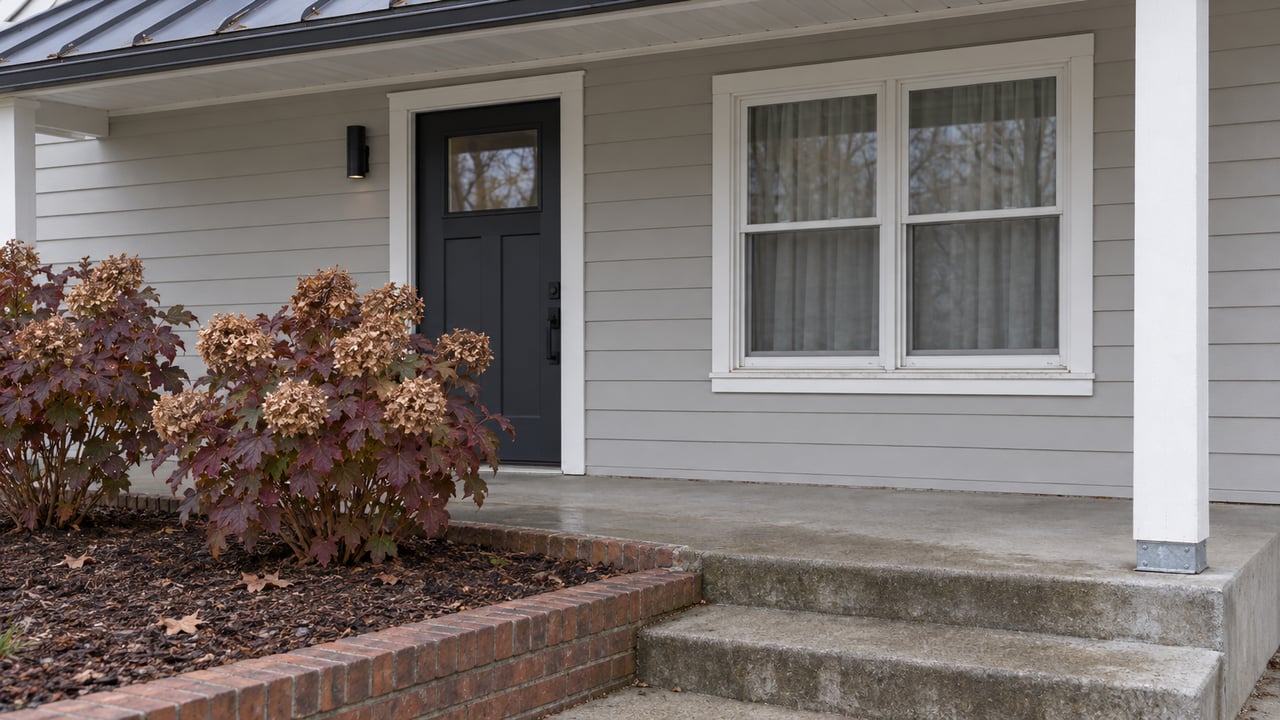
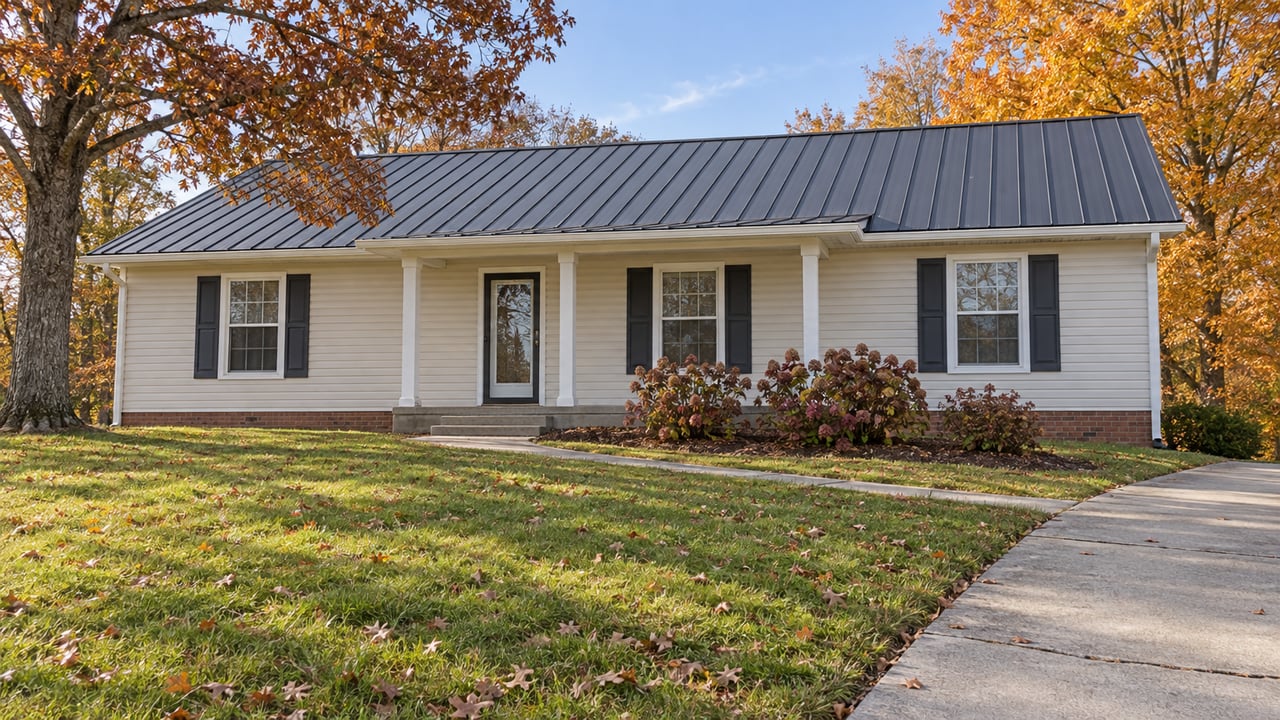
Curb appeal and exterior ROI
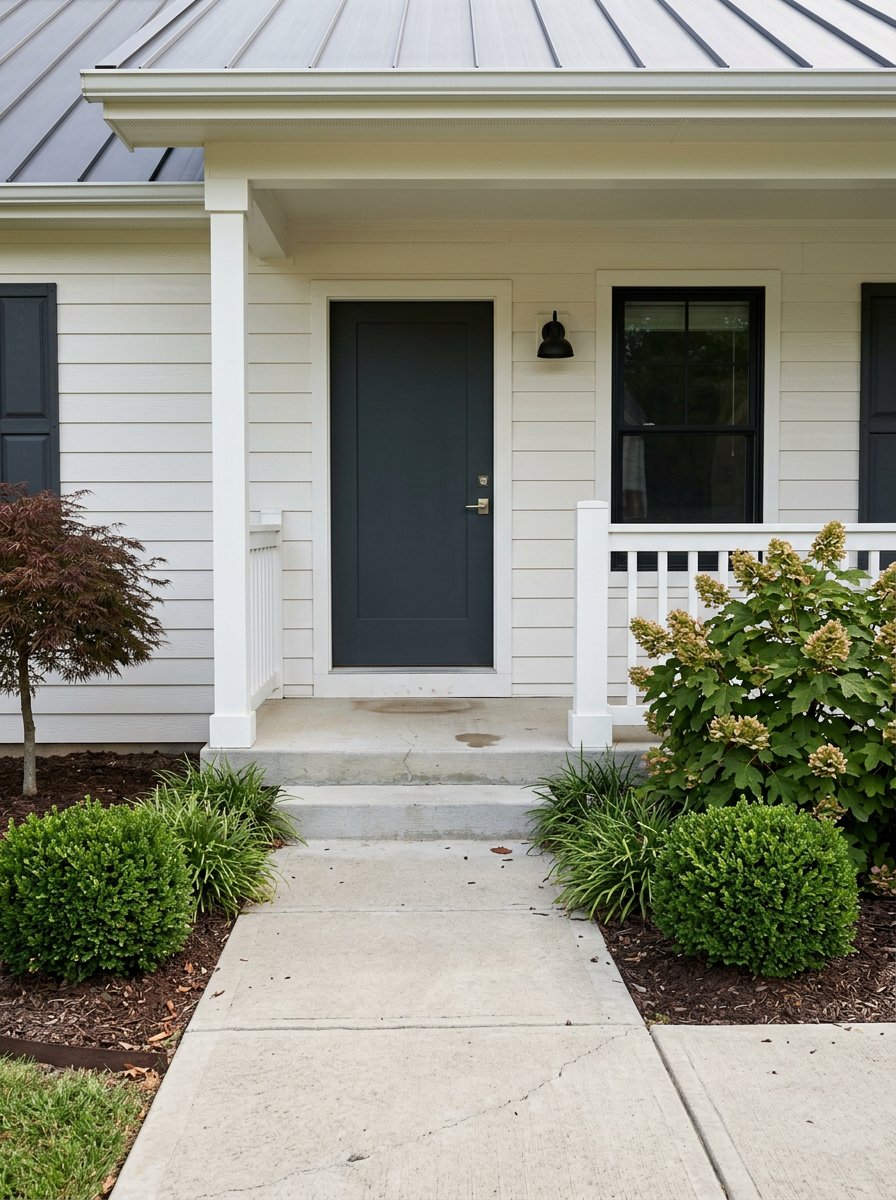
First impressions drive showings and online clicks. National Cost vs. Value data shows small exterior projects often produce top resale recoupment. Garage door and steel entry door replacements, along with manufactured stone veneer, rank among the highest ROI projects in the 2025 report. If you are on a tight budget, prioritize:
- Entry and garage door refresh or replacement.
- Landscaping updates and grading that improve drainage.
- Power washing, roof and gutter cleaning, and routine lawn care.
- New house numbers, updated lighting, and a clean mailbox.
- Data source: 2025 Cost vs. Value Report
Low-cost curb-appeal wins that photograph well: fresh mulch and edging, trimmed shrubs, a painted front door if not replacing, clean walkways and driveway, potted seasonal color, and removal of yard clutter.
Staging and photography priorities
Staging helps buyers visualize how they will live in your home. NAR reports that staging can shorten time on market and may improve offer quality. Focus on the living room, primary bedroom, and kitchen. Use a tiered approach: DIY styling for basics, partial professional staging for key rooms, or full-service staging for vacant or unique layouts.
High-quality photos are essential since buyers rely heavily on images during their search. Add a floor plan and consider a 3D tour or video walkthrough where appropriate to boost online engagement. Plan your shoot after staging, aim for a bright day, and consider one twilight session to showcase the exterior. Include 12 to 25 well-composed images that highlight the exterior, kitchen, key living spaces, and primary suite.
- Why this matters: NAR report on staging and buyer expectations
Budget guide
Plan a modest prep budget relative to your expected sale price. Typical ranges in many markets:
- Pre-listing inspection: about $300 to $600.
- Professional photos: about $200 to $500 depending on package and add-ons.
- Partial staging: often $600 to $1,500 based on scope.
- Full staging for larger homes: several thousand dollars.
- Paint, minor repairs, and landscaping vary by scope and contractor.
Boutique marketing that elevates your launch
A thoughtful boutique plan creates more online views, stronger first-week traffic, and better offers. Here is a practical menu of elements and why they help:
- Professional photography with optional twilight: More clicks from eye-catching images lead to more showings.
- Floor plan: Helps buyers understand flow and room sizes before touring.
- 3D virtual tour or video walkthrough when appropriate: Allows remote and busy buyers to pre-qualify themselves, which improves showing quality.
- A dedicated property page with full photo set and downloadable info: Simplifies sharing and keeps buyers focused on your home.
- Targeted digital ads and social posts in the 7 to 10 days around launch: Expands reach to likely buyers and boosts opening-week momentum.
- Quality print takeaways for showings and open houses: Reinforces the home’s best features after buyers leave.
For any aerial photography, hire a Part 107 certified, insured operator and confirm airspace rules and any required authorizations. The FAA outlines requirements for commercial drone operations and Remote ID compliance.
- Drone rules overview: FAA guidance for commercial operators
Vendor check tips:
- Ask for proof of insurance and references for staging and contractors.
- Get a written scope, pricing, and timeline.
- Confirm required permits on the City of Red Bank portal before major exterior or mechanical work begins.
Suggested prep timeline
Use this simple timeline to keep your project on track.
- 3 to 4 months out: Review comps with your agent. Consider a pre-listing inspection. Identify major repairs, set a staging budget, and gather receipts and permits for your disclosure packet.
- 6 to 8 weeks out: Complete prioritized repairs, paint touchups, carpet cleaning, and landscaping. Book staging and professional photography. Prepare your disclosure form and title paperwork.
- 1 to 2 weeks out: Install staging. Shoot photos and any twilight or aerials. Build the marketing assets, floor plan, and property page. Your agent preps the MLS entry and showing plan.
- Launch week: List on the MLS, syndicate to major portals, run targeted ads, and host open houses or agent previews. Review and respond to offers in the first 7 to 10 days based on the pricing plan and buyer activity.
Ready to talk through the right prep plan for your home, budget, and timeline? Reach out to Bev Boss for a friendly, step-by-step strategy tailored to your Red Bank address.
FAQs
When is the best month to list a home in Red Bank?
- Spring often brings strong buyer activity, with a possible secondary window in early fall. Confirm the exact timing with current Red Bank inventory and demand before you choose your launch week.
How are Red Bank property taxes calculated when I sell?
- Tennessee assesses residential property at 25 percent of appraised value. Multiply that assessed value by the current county and city rates. Check your bill on the Hamilton County Trustee site and see the adopted city rate in Red Bank’s budget.
Do I need a pre-listing inspection, or can I skip it?
- You can skip it, but many sellers order one to find issues early and avoid renegotiations. After the report, you decide to fix items, disclose them, or price accordingly.
Which fixes should I prioritize before listing?
- Focus on safety and system items first, like roof, HVAC servicing, moisture management, and obvious leaks or electrical issues. Then tackle high-impact cosmetic updates such as neutral paint, lighting, and curb appeal.
Do I need permits for small projects before listing?
- Many minor cosmetic updates do not need permits. Structural changes, additions, and major electrical, plumbing, or mechanical work often do. Verify requirements on the City of Red Bank permits portal before starting.
Are drone photos allowed near Chattanooga airspace?
- Yes, if the pilot is Part 107 certified and follows FAA rules. Some areas require airspace authorization, and all commercial operations must comply with operational limits and Remote ID requirements.