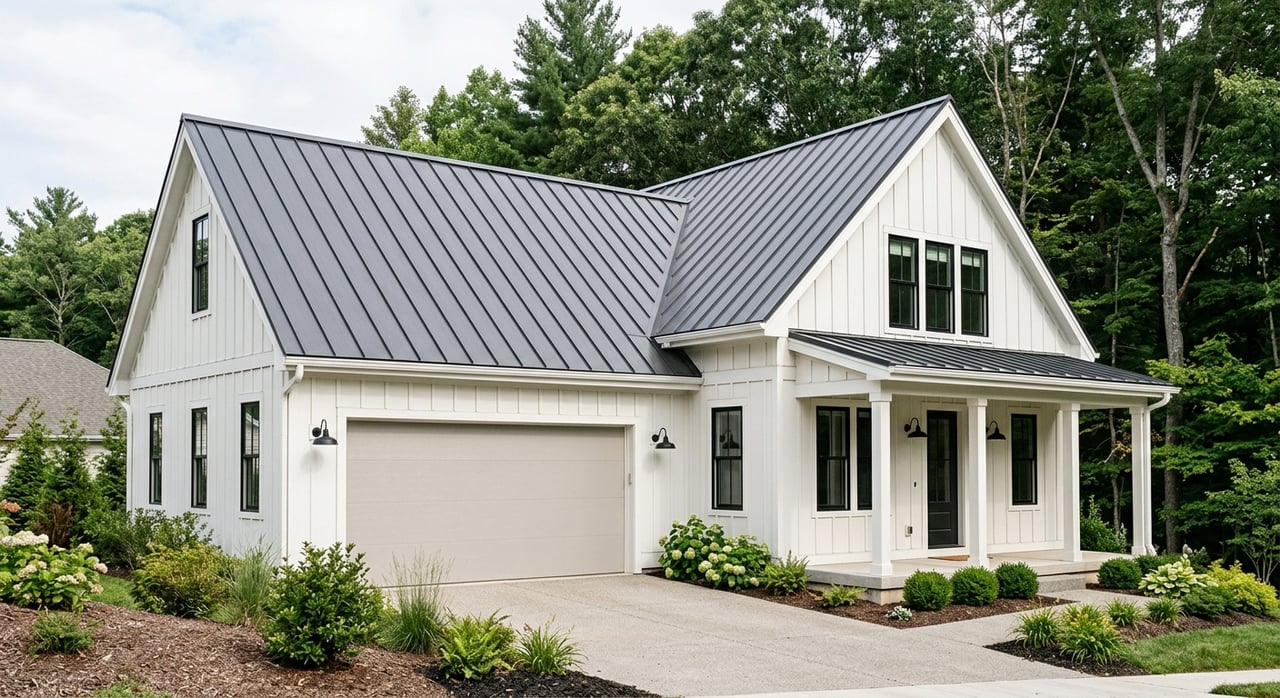
Wondering what your Red Bank home is really worth right now? You are not alone. In a small market like Red Bank, big headline numbers can feel helpful at first, but they can also point you in very different directions. This guide will help you make sense of current Red Bank home values, understand what really drives price, and make smarter pricing decisions if you plan to sell. Let’s dive in.
Red Bank Market Snapshot
If you look up Red Bank home values online, you will quickly see that not every number matches. That does not mean the data is wrong. It means each source is measuring something slightly different.
Zillow’s Red Bank home value index was $312,586 as of May 31, 2026, which was down 1.7% from the prior year. Redfin’s rolling May 2026 sold-price median for Red Bank was $319,809, up 1.2% year over year. The City of Red Bank’s April 2026 local market update showed a $362,500 median sales price.
Those numbers are best viewed as different lenses, not competing truths. Zillow is offering a broad value index, Redfin is tracking a rolling sold-price median, and the city is reporting a local monthly closed-sales snapshot. In a compact city with relatively few sales, those figures will not always line up neatly.
Why Monthly Numbers Can Swing
One of the biggest pricing mistakes sellers can make is reading too much into one month of data. In Red Bank, the sales count can be small enough that a handful of homes changes the picture quickly.
The city’s 2026 reports show exactly how that works. January posted a $440,250 median sales price with just 6 closed sales, while February posted $335,000 with 9 closed sales. That is a major swing, but the city notes that small sample sizes can make changes look more dramatic than they really are.
For you as a seller, that means rolling trends and recent comparable sales usually matter more than one standout month. A pricing plan should be grounded in patterns, not just headlines.
What Red Bank Looks Like Today
Red Bank remains a compact Hamilton County city that functions largely as a residential community near Chattanooga. City planning documents describe it as a bedroom community with land use dominated by single-family neighborhoods and a main commercial spine along Dayton Boulevard.
That local setting matters when you think about value. Many homes are competing within a mostly single-family market, but location inside Red Bank can still shape buyer interest and pricing strategy.
The City of Red Bank’s April 2026 update showed 30 homes for sale, 2.9 months of supply, 40 days on market, and sellers receiving 97.1% of original list price on average. That suggests there is still meaningful demand, but buyers have room to compare options.
What Actually Drives Home Value
A smart pricing decision starts with understanding what affects value most. Broadly, home value is shaped by the home itself and by the market around it.
Key value factors include:
- Size and layout
- Condition and level of updates
- Lot characteristics
- Location within Red Bank
- Features and finishes
- Recent similar nearby sales
- Current market trends
Appraisals and valuations generally rely on comparisons to similar local sales, with adjustments based on differences in features, condition, and size. That is why two homes with the same bedroom count can still command very different prices.
Online estimates can help you spot a rough range, but they are not a pricing strategy. Automated valuation models use data points like square footage, bedroom and bathroom counts, and recent sales, but they cannot fully capture the feel, updates, layout, or block-by-block differences that buyers notice in person.
Why Red Bank Location Matters
In Red Bank, location is not just about being close to Chattanooga. It is also about where a home sits within the city’s own pattern of neighborhoods, streets, and commercial areas.
The city’s planning materials identify Dayton Boulevard as Red Bank’s main commercial spine and point to town center and redevelopment activity along that corridor. The city is also focused on more walkable and connected areas through ongoing planning and infrastructure coordination.
That does not create a fixed dollar adjustment for every home near Dayton Boulevard. Still, it is reasonable to expect that buyer perception may differ between a home with corridor visibility, a property near evolving activity nodes, and a home tucked into a quieter interior residential pocket.
The Chattanooga Backdrop Matters Too
Even if you are selling in Red Bank, buyers are often comparing your home to choices across the broader Chattanooga area. That makes the regional market important context.
Greater Chattanooga REALTORS® reported 3,944 homes in inventory in May 2026, with a median sales price of $358,000, 51 days on market, 1,108 pending sales, and 996 closed sales. Redfin described Chattanooga as somewhat competitive over the last three months, with homes selling in about 36 days at a median sale price of $355,787.
Taken together, that points to a market with real demand but more buyer choice than during a tighter market cycle. When buyers have options, accurate pricing tends to matter even more. Overpricing can lead to more days on market, while a well-positioned home may attract stronger attention early.
Smart Pricing Starts With Comps
If you are preparing to sell, the most useful first step is a comparison-based pricing conversation. In Red Bank, the spread between current headline numbers makes that especially important.
A smart pricing review should focus on questions like these:
- Which recent closed sales are the closest match for your home?
- How does your home compare on size, age, layout, and condition?
- What updates or finish level set it apart?
- How much active competition is in your price range right now?
- Does your location feel more like a corridor property or an interior neighborhood home?
- How much negotiation room seems typical based on recent sale-to-list patterns?
This kind of analysis gives you a more practical price range than relying on one online estimate. It also helps you think like a buyer, which is often the key to a stronger listing strategy.
A Practical Red Bank Price Range
Based on the current data, many Red Bank pricing conversations likely start in the low-to-mid $300Ks. Higher pricing may make sense for homes that are larger, more updated, or especially well positioned within the city.
That is not a formal valuation, and it is not a one-size-fits-all rule. It is simply a practical way to interpret the current market snapshot, the range of available data, and the city’s planning context.
If your home has standout renovations, a strong lot, a highly functional layout, or a location buyers respond to, your pricing conversation may look very different from a basic online estimate. That is why the details matter so much.
Pricing Mistakes To Avoid
A lot of seller frustration starts with the wrong pricing anchor. In a market like Red Bank, there are a few mistakes worth watching for.
Trusting One Number Too Much
It is easy to latch onto the highest number you see online. But a value index, a rolling median, and a one-month city report are not measuring the same thing. Using one figure in isolation can lead to an unrealistic list price.
Overreacting To One Month
Because Red Bank is a smaller market, one month can look unusually hot or unusually soft. That does not always reflect the true direction of the market. Recent comparable sales and broader trends usually tell a more reliable story.
Ignoring Competition
Your home is not priced in a vacuum. Buyers will compare it to other active listings in Red Bank and nearby Chattanooga-area options. If similar homes offer more value at the same price point, buyers may move on quickly.
Pricing For Negotiation Too Aggressively
Some sellers want to build in a large cushion for negotiation. But with Red Bank sellers averaging 97.1% of original list price in the city’s April 2026 report, buyers may respond better to realistic pricing than to a large reach.
How To Make A Smarter Pricing Decision
The best pricing decisions are informed, local, and specific to your property. Instead of asking, “What is the number?” it helps to ask, “What is the right range for this home in today’s Red Bank market?”
A smart process usually includes:
- Reviewing the most recent comparable closed sales
- Comparing your home to active competition
- Looking at current days-on-market and sale-to-list patterns
- Considering your home’s condition, updates, and location within Red Bank
- Choosing a list price that matches buyer expectations and market reality
That kind of step-by-step approach often leads to better results than chasing the highest possible number. It can also reduce the risk of price cuts and extra time on market.
If you want clear guidance, local context, and a patient walkthrough of what the numbers really mean, Bev Boss is here to help you build a pricing strategy that fits your home and your goals.
FAQs
What are current Red Bank home values in 2026?
- Current Red Bank value measures vary by source, including Zillow at $312,586 as of May 31, 2026, Redfin’s rolling median at $319,809 for May 2026, and the City of Red Bank’s April 2026 median sales price of $362,500.
Why do Red Bank online home estimates differ so much?
- Online estimates differ because valuation tools use different data, time periods, and methods, so an automated value estimate may not match a sold-price median or a local monthly sales report.
What matters most when pricing a home in Red Bank?
- The biggest pricing factors are usually condition, location, size, features, and recent similar nearby sales, along with current market trends and active competition.
Is Red Bank mostly a single-family housing market?
- Yes. City planning documents describe Red Bank as a bedroom community with land use dominated by single-family neighborhoods.
How long are homes taking to sell in Red Bank?
- The City of Red Bank’s April 2026 market update reported 40 days on market, though timing can vary based on price, condition, and competition.
Is now a good time to price carefully in Red Bank?
- Yes. Current Red Bank and Chattanooga-area data suggest buyers still have demand, but they also have more choices, which tends to reward accurate pricing and make overpricing riskier.