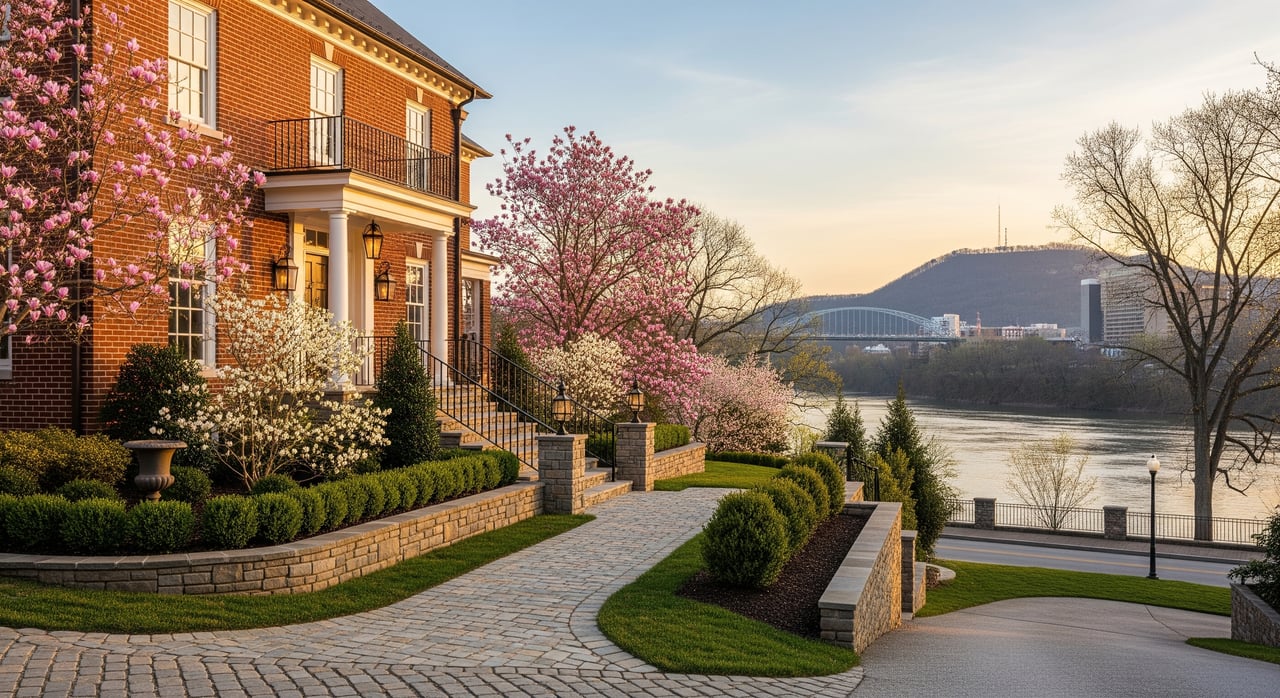
Thinking about a move to Chattanooga but unsure where to start your search? You’re not alone. With riverfront views, mountain access, and a mix of close‑in and suburban options, the area gives you real choice — and a few tradeoffs to weigh. In this guide, you’ll learn how popular neighborhoods compare by lifestyle, housing, commute, schools, and everyday logistics so you can narrow your list with confidence. Let’s dive in.
Chattanooga at a glance
Chattanooga sits along the Tennessee River at the base of Lookout Mountain. The metro is compact, with downtown as the cultural and employment hub and a ring of nearby communities in Hamilton County and into north Georgia. Terrain shifts from valley floors to scenic hillsides, which can influence commutes and housing styles.
Most people commute by car on regional interstates and U.S. highways. Public transit exists through CARTA in the urban core, but service is limited outside it. Major employers include healthcare, manufacturing and logistics, education at UTC, and a growing tech and startup scene.
Outdoor recreation is a standout. You have access to hiking, climbing, river activities, and scenic drives, plus museums and performing arts downtown. Family‑friendly parks and lakes are within short drives from most suburbs.
Neighborhood snapshots: find your fit
Below is a practical look at five popular areas for relocating buyers, each with different housing stock, commute patterns, and amenities.
Hixson (north of downtown)
Hixson sits just north of the river and central Chattanooga. It feels suburban and residential, with neighborhood shopping and quick access to parks and nearby lake areas. Many streets are quiet, and the overall pace is relaxed.
Homes include mid‑century ranches and split‑levels mixed with newer subdivisions. You’ll also find pockets of waterfront or lake‑adjacent properties. The range runs from affordable starter homes to larger single‑family houses.
Commuting is a moderate drive to downtown on direct routes, though peak traffic can add time. The area is served by Hamilton County Schools, with several nearby elementary, middle, and high schools. Always confirm school zones for specific addresses.
- Best for: buyers seeking single‑family homes, larger lots, and local amenities at approachable prices.
- Tradeoffs: most residents drive for work and errands; some commutes run longer at peak hours.
Red Bank (close‑in, near downtown)
Red Bank is an incorporated city that borders parts of Chattanooga, making it closer than many suburbs. You get an urban/suburban blend with quick access to downtown attractions, hospitals, and UTC.
Housing leans toward older bungalows, mid‑century homes, and smaller lots, with some newer infill projects and pockets of multifamily. The local business district offers a small‑town feel minutes from downtown.
Commutes are generally short and straightforward. The area is served by Hamilton County Schools, and local high school options provide neighborhood continuity. Confirm specific zones for each property.
- Best for: frequent downtown commuters and buyers who want close‑in access without paying downtown premiums.
- Tradeoffs: smaller yards are common; traffic can be busier near main corridors.
Ooltewah (eastern Hamilton County)
Ooltewah sits along one of the county’s growing eastside corridors. It has a suburban feel with newer retail, restaurants, and everyday services clustered near major routes.
Housing here trends newer, with master‑planned subdivisions, contemporary floor plans, and larger yards. New construction and community amenities are common, which appeals to buyers who prefer modern layouts.
Commutes to downtown are longer compared with close‑in areas, though many residents work locally or along the I‑75/I‑24 employment corridors. Ooltewah is served by Hamilton County Schools; verify boundary details if schools are a priority.
- Best for: buyers prioritizing newer construction, community amenities, and larger lots.
- Tradeoffs: growing traffic on major corridors and longer drives to downtown for some jobs.
Lookout Valley / Lookout Mountain vicinity (southwest/south of downtown)
These neighborhoods sit at the foothills and on the slopes near Lookout Mountain, close to outdoor attractions and scenic overlooks. You’ll find a quieter residential feel with smaller commercial centers sprinkled across the area.
Housing includes historic cottages, older mountain homes, and hillside properties with views. The character is unique, influenced by proximity to tourist destinations like Rock City and Ruby Falls.
Commutes to downtown are short to moderate depending on route, with winding roads and elevation to consider. Winter driving and terrain can affect travel at times. The area is served by Hamilton County Schools; confirm zones and specific school options.
- Best for: buyers who value scenery, trails, and quick nature access close to downtown.
- Tradeoffs: hilly terrain, older homes that may need maintenance, and fewer large retail centers.
Ringgold, Georgia (just across the state line)
Ringgold sits in Catoosa County, Georgia, and is one of the first larger towns south of the Tennessee border. It offers a small‑city downtown with growing retail and community services.
You’ll find a mix of older in‑town homes, modest single‑family neighborhoods, newer subdivisions, and rural acreage in surrounding areas. Many buyers look here for affordability and space.
Commutes to downtown Chattanooga can be competitive in off‑peak hours but depend on crossings and traffic. Ringgold is served by Catoosa County Schools. It has its own city government, zoning, permitting, and a different tax structure than Hamilton County.
- Best for: value‑minded buyers comfortable with Georgia’s systems and willing to cross the state line for more options.
- Tradeoffs: different state rules for taxes, schools, and vehicle registration; commutes vary by job location and route.
Practical tradeoffs that shape your choice
Choosing a neighborhood usually comes down to a few key levers: commute, home style, price range, and day‑to‑day convenience. Keep these factors front and center as you compare options.
Housing affordability and inventory
The Chattanooga metro has seen price appreciation in recent years. Closer‑in areas and scenic mountain or waterfront views can command premiums. Newer eastside developments often price in the mid‑ to high ranges. Decide whether you prefer newer construction or the character of older homes, and be ready for inventory to vary by area.
Schools and boundary changes
Most Tennessee‑side communities are served by Hamilton County Schools, while Ringgold is served by Catoosa County Schools. Perceptions of school quality often influence choices, but lines and programs can shift. Check current boundary maps for any address, and plan school visits if that’s a priority for your family.
Commute and transit realities
Most suburban residents drive to work, with limited public transit options outside the urban core. If commute time matters, test‑drive your route during peak hours and compare different paths. Also consider proximity to interstates and typical congestion patterns from your target neighborhood.
Taxes, insurance, and cross‑state differences
Tennessee does not tax wage income at the state level, while Georgia has its own state income tax. Property taxes and rules vary by county and municipality. If you’re exploring Ringgold, compare total tax burden, vehicle registration rules, and school enrollment guidelines.
For properties near rivers, lakes, or valley floors, review FEMA flood maps and insurance requirements. Waterfront and low‑lying lots can have special designations that affect financing and long‑term costs.
Utilities, internet, and services
High‑speed internet and utility providers can vary significantly by neighborhood, especially in suburban and semi‑rural pockets. If you work from home or stream often, verify service options and speeds for any property you’re considering.
HOAs and new communities
Many newer subdivisions — especially on the east side — have homeowners associations. Expect community amenities and ongoing maintenance fees. Review HOA documents to understand restrictions, budgets, and rules before you commit.
How to narrow your short list
Use this simple framework to focus your search:
- Commute check: Set a maximum acceptable time door‑to‑door and test the route during rush hour.
- Home style: Decide if you want newer builds with modern layouts or the charm of established homes.
- Daily patterns: Map grocery, parks, childcare, and healthcare stops you’ll use most.
- School planning: Confirm zones for your addresses and visit schools that interest you.
- Budget guardrails: Consider taxes, insurance, HOA fees, and renovation plans.
Relocation checklist
- Clarify your top 3 priorities (commute, yard size, schools, price).
- Use official school boundary tools for shortlisted addresses in Hamilton or Catoosa County.
- Visit in person: drive morning and evening commutes, and spend time there on a weekend.
- Ask for neighborhood comparables and recent market trends to set expectations.
- Check FEMA flood maps for river, lake, and low‑lying areas before you offer.
- Verify internet speed and utility providers for any home you like.
- If considering Ringgold or other Georgia options, compare taxes and registration rules.
- Get preapproved with a lender who understands the Chattanooga and northwest Georgia markets.
What this all means for you
Each Chattanooga‑area community has a distinct feel and a different set of tradeoffs. If you want quick downtown access, Red Bank is convenient. If you prefer newer construction and community amenities, Ooltewah is worth a look. For lake proximity and classic suburban streets, Hixson might fit. If views and trail access are your priority, explore Lookout Valley and the mountain vicinity. If you’re comparing price and yard size with cross‑state logistics, Ringgold can open more options.
When you’re ready to see homes, a guided plan makes the difference. I’ll help you match neighborhoods to your commute, school needs, and budget, and I’ll flag the practical checks that matter — from flood zones to HOA rules — so you can move forward with clarity.
Ready to start your search with a local educator and advocate by your side? Reach out to Bev Boss. Let’s build a short list and tour with purpose.
FAQs
What should relocating buyers know about Chattanooga commutes?
- Most suburban residents drive, public transit is limited outside the urban core, and you should test‑drive your peak‑hour route before deciding on a neighborhood.
How do schools work in Hamilton County vs. Ringgold, Georgia?
- Tennessee‑side neighborhoods are typically served by Hamilton County Schools, while Ringgold is served by Catoosa County Schools, so confirm boundaries and enrollment for any address.
Are there waterfront or lake homes near Chattanooga?
- Yes, many areas offer river and lake access, but you should review FEMA flood maps and insurance requirements for waterfront and low‑lying properties.
Is public transit a realistic option from the suburbs to downtown?
- CARTA serves the urban core, but most suburban commutes rely on private vehicles, so plan for driving if you live outside central Chattanooga.
What taxes should I consider if I choose Ringgold over Tennessee?
- Tennessee does not tax wage income at the state level while Georgia does, so compare total tax burden along with property taxes, vehicle registration, and school enrollment rules.
What should I know about HOAs in newer subdivisions?
- Many eastside communities have HOAs with amenities and fees, so review covenants, budgets, and rules to understand costs and restrictions before you buy.